
EXPLAINED
1. Read and explained the poem in detail pgs- 108, 109.
2. Briefing about the poet Robert Frost.
3. Words to know on pg- 109.
4. Questions and answers on pg- 110.
5. Reference to context questions and answers on pg- 110 .
6. The summary of the poem.


Oral and explanation online with some written work.
1. Explain the poem thoroughly per stanza.
2. Summary of the poem with its meanings.

- Learn the first 3 stanzas of the poem on pg- 108.
- Learn the last 3 stanzas of the poem on pg- 109.
- Learn words to know on pg- 109.
- Make sure to copy all notes into your ex.book.


Oral and explanation online with some written work.
1. Explain the story.
2. Meanings explained of the chapter.
3. The students will interact with discussion during the online class.

- Read chapter 7 fully.
- Learn all the words to know on pg- 103
- All notes completed of ch- 7
- All reference to context notes explained and completed on ch- 7.

English Composition
CH 18. The Sentence

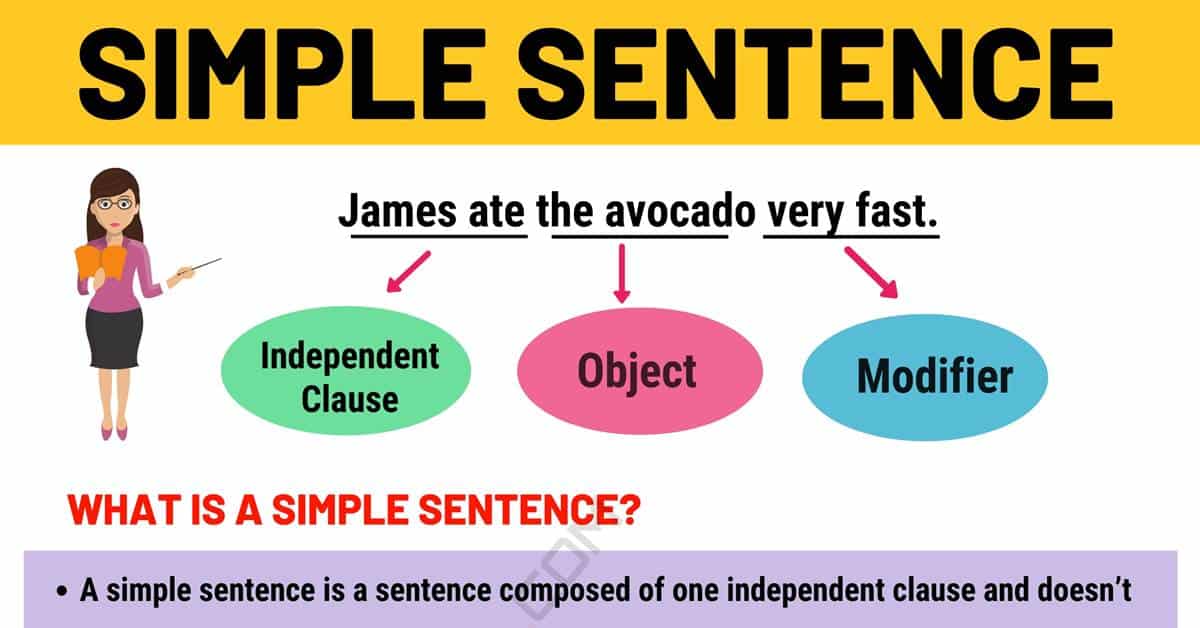
What is a Simple Sentence?
A simple sentence contains a single, complete independent clause with one finite verb and a single subject.
EXAMPLE:
I saw the most amazing sights in India.
EXPLAINED:
1. The whole of Chapter.18.
2. All the exercises from A - J.
3. Classification of sentences based on structure.
4. The different kinds of sentences.
5. Combination of simple sentences to form other simple sentences.
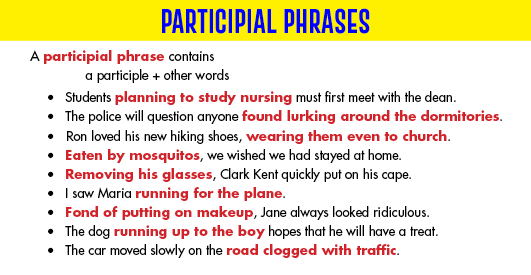
6. Different participles or participle phrases.
7. Varieties of simple sentences.
8. The formation of compound sentences using appropriate coordinating conjunctions.
9. The use of subordinators in complete sentences.
10. Combining simple sentences to form complex sentences.
11. The structure of a compound - complex sentence
MAIN TEACHING:
Oral and explanation online with some written work.
1. Classification of sentences based on structure.
2. Different combinations of sentences and its uses.
3. All the exercises explained of chapter 18 with the help of images shown during the online class.
4. Students will interact during the online class.
ASSIGNMENTS:
What is a Simple Sentence? Explain with an example.




Oral and explanation online with some written work.
1. Explain the story.
2. Meanings given in the chapter.
3. The students will interact with discussion during the online class.

- Read chapter 6 fully.
- Learn all the words to know on pg- 90
- Answer the following questions on pg- 90
- Answer the following questions with reference to context on pg- 91

R/34
ENGLISH GRAMMAR
CH- 6 Non-Finite Verbs

She wants to go to England.

1. The whole of Chapter.6.
2. All the exercises from A - F.
3. Different kinds of Non-finite verbs.
4. Structure of Infinitives.
5. Meaning of Split Infinitive.
6. The uses of Bare Infinitive.
7. Classification of Gerunds and its suitability in sentences.
8. The meaning of Participles with its different forms.
9. The usage of appropriate Non-finite verbs.

Oral and explanation online with some written work.
1.The analysing of Non-finite verb in different participles of structure.
2. All the exercises explained of chapter 6 with the help of images shown during the online class.
3. The students will interact with discussion during the online class.
ASSIGNMENTS:
What are Non-finite verbs? explain with an example.


Chapter- 17
THE SENTENCE - AN OVERVIEW

What is a Complete and Incomplete sentence?
A Complete sentence must have three things: a subject, verb, and an object. The subject is typically a noun or a pronoun.
An Incomplete sentence is a sentence that’s missing a subject, verb, or both.

EXPLAINED:
1. The whole of Chapter- 17.
2. Identifying complete and incomplete sentences.
3. The features of a sentence.
4. Different kinds of sentences based on Purpose or Function.
5. Rearranging words to make meaningful sentences.
6. The usage of appropriate punctuation in sentences.
7. The understanding of different uses of clauses.
8. Explanation of interjections in sentences.
9. Composing of different kinds of sentences.
10. The elements of a sentence: words, phrases and clauses.
11. All the exercises from A - K

MAIN TEACHING:
Oral and explanation online with some written work.
1. The chapter explained with a whole overview of different elements and features of sentence making.
2. All exercises of chapter 17 explained with the help of images shown in the online class.
3. Students allowed to interact regards questions to chapter 17 in the online class.
ASSIGNMENTS:
A. Examine the word-clusters given below. Identify those that are complete sentences by placing a (Tick) in the appropriate boxes. Also rewrite the sentences, putting in the capital letters and punctuation.
- a clever boy ▢
- my cousin who lives in Mumbai ▢
- he loves playing football ▢
- was a terrifying experience ▢
- the game was called off when it began to rain ▢
- when we visited Thailand last year ▢
What is a sentence?


Features Of A Sentence?

B. In the space provided next to each of the ten statements given below, write (T) if you think the statement represents a genuine feature of a complete sentence and (F) if you think it does not.
1. A sentence begins with a capital letter.
2. It expresses only one single idea.
3. It contains at least one main clause.
4. It must contain at least one dependent clause.
5. It ends with an appropriate punctuation mark.
6. It can contain more than one independent clause.
7. It must have a subject and a predicate.
8. The predicate of a sentence does not always contain a verb
9. A sentence can express more than one thought or idea, using conjunctions or relative pronouns to link them together.
10. Each independent clause in a sentence contains an independent subject and verb and expresses a complete thought.
C. Read the following sentences and identify the type to which each belongs.
1. He has a house in London and another in Paris.
2. What a fantastic view we have of the hills from here!
3. How much money do you need?
4. May you succeed in all your efforts!
5. Tell the driver that he should be here by ten.
6. Wear a sweater; it’s cold outside.
7. The police is looking for an escaped prisoner.
8. Do you think mother would like a perfume?
9. I can’t believe all the shops are closed!
10. I believe in honesty more than anything else.
11. Stay away from the animal cages.
12. Can’t we go shopping today?
13. Oh dear! what a terrible mistake I have made!
14. It is my fervent wish that you excel in your final exams.
15. I urge you to do regular exercise to avoid diseases.
D. Rearrange the words in their correct order to make meaningful sentences. Use appropriate punctuation at the end of each sentence.
1. the party / an enjoyable / at / time / she had
………………………………………………………………………………………………
2. enough / buy a car / money / to / have / you don’t
………………………………………………………………………………………………
3. university / teach / your aunt / at the / does
………………………………………………………………………………………………
4. traffic lights / be careful / when the / turn red / to stop
………………………………………………………………………………………………
5. from / yesterday / we drove / Agra / to Delhi
………………………………………………………………………………………………
6. make tea / when she / did Anu / came home
………………………………………………………………………………………………
7. all his life / has / my father / worked hard
………………………………………………………………………………………………
8. my brother / his phone / what a pity / has lost
………………………………………………………………………………………………
9. today / to submit / I tell you / didn’t / your assignment
………………………………………………………………………………………………
10. the wicket-keeper / what a brilliant catch / just took / wow
………………………………………………………………………………………………
E. Change the following sentences as directed.

1. You don’t like junk food at all. (change to negative-interrogative)
2. Please make less noise in the classroom. (change to negative-imperative)
3. This is an interesting book. (change to exclamatory)
4. I am right. (change to negative-interrogative)
5. Madhu failed the exam last year. (change to negative-declarative)
6. She is a very polite girl. (change to exclamatory)
7. It was raining yesterday. (change to interrogative)
8. Atul doesn’t want to be a doctor. (change to affirmative-declarative)
9. I should go to the party. (negative interrogative)
10. Could you open the door for me, please? (positive imperative)
F. In the blank next to each of the sentences given below write (P) if underlines part is a phrase or write (C) if it is a clause.
1. I bought a new pair of sneakers from the supermarket.
2. When my father got home from work, he sat down to watch television.
3. He raced his motorcycle down the highway.
4. I called up my friend to find out about our homework.
5. An excellent fast bowler, Rakesh was selected for his state team
G. In the blank next to each of the sentences given below write (I) if underlined part is an Independent Clause or write (D) if it is a Dependent clause.

1. We rushed out of the house when we felt the earthquake
2. Although I have never met him before, I think I will recognise him.
3. My friend John, who is a brilliant student, has been admitted to Oxford.
4. I will report you to the teacher if you don’t stop bullying me.
5. I love to cook, and I enjoy learning new recipes.
H. Put a bracket ( ) around the Independent Clause in each of the following sentences underline the Dependant Clause (if any)
1. He left the examination hall although he had not completed all his answers.
2. If you wish to represent the country in the national games, you must train sincerely.
3. The clown, who was dressed in a funny costume, failed to make us laugh.
4. The new Principle addressed the whole school at the morning assembly.
5. She plays the guitar and she dances very well too.
I. Compose five exclamatory sentences following the prompts given. One has been done for you. Use interjections if necessary.

1. (Express excitement on receiving a gift)
Oh wow! What an incredibly beautiful bracelet this is!
………………………………………………………………………………………………
2. (Express disappointment over the loss of something)
………………………………………………………………………………………………
3. (Express joy at having succeeded at something)
………………………………………………………………………………………………
4. (Express amazement at a friend’s achievement)
………………………………………………………………………………………………
5. (Express deep sorrow at the loss of someone or something)
………………………………………………………………………………………………
6. (Express anguish or agony on being hurt or injured)
………………………………………………………………………………………………
J. Compose five imperative sentences as per the prompts provided. One has been done for you.

1. Politely request someone to do something for you.
Please pass me the ketchup.
………………………………………………………………………………………………
2. A teacher instructs the class to do something.
………………………………………………………………………………………………
3. Your parent advises you to do something.
………………………………………………………………………………………………
4. A policeman orders an armed gunman to do something.
………………………………………………………………………………………………
5. A mother instructs her child to finish his homework.
………………………………………………………………………………………………
6. Your friend is in trouble and you make a helpful suggestion.
………………………………………………………………………………………………
K. Identify the Independent Clauses and the Dependent Clauses in the sentences below.
1. When you have finished your work, I would like to talk to you
2. I find Arun a very methodical student even though he is a bit slow in his work.
3. We will not reach the venue in time if we spend so much time getting ready.
4. Since the time you advised me, I have been consciously watching my diet.
5. My library book was under my desk where I had left it yesterday.
6. I cannot go ahead unless the chairman gives me the permission to do so.
7. Before leaving for school, she put some water in the bowl for her turtle.
8. He cannot get this job as he is not qualified for it.
9. That boy, who is wearing a red jacket, lives in England.
10. We can go to the party if we are invited.


- The revision of Chapters 2, 5 + 8 in English Grammar (Pronouns, Subject Verb Agreement + Adverbs)
- The revision of Chapters 14, 19 + 20 in English Composition (Direct and Indirect Speech, Clauses and Sentence Construction and Synthesis)
- Orally questions answered if any of the students are having difficulty with.


Make sure all the exercises and definitions of Chapters 2, 5 + 8 in English Grammar are updated and revised.
Make sure all the exercises and definitions of Chapters 14, 19 + 20 in English Composition are updated and revised.
Prepare well for your P.T in English Grammar and English Composition coming up.

EXTREME WEATHER
Dreaming Of The Dawn Wall


EXPLAINED
- The revision of Chapters 4 + 5 in English Prose (Extreme Weather + Dreaming of the Dawn Wall)
- The revision of Poems 3 + 6 in English Poetry (On The Grass Hopper And The Cricket + The West Wind)
- All the notes revised of Chapters 4 + 5 in English Prose and the notes revised also of Poems 3 + 6.
- Orally asking of questions in the online class.
- All exercises revised of Chapters 4 + 5 in English Prose.
- All exercises revised of Poems 3 + 6 in English Poetry.

Explanations of both Chapters 4 + 5 in English Prose.
Summary of both the Poems 3 + 6 in English Poetry.


Make sure all the notes of Chapters 4 + 5 are up to date and learnt in English Prose.
Make sure all the notes of Poems 3 + 6 are up to date and learnt in English Poetry.
Learn all the questions and answers of Chapters 4 + 5 in English Prose and Poems 3 + 6 in English Poetry.
Read Chapters 4 + 5 in English Prose and learn Poems 3 + 6 in English Poetry.
Learn all the words to know in Chapters 4 + 5 in English Prose.
Learn all the word to know of Poems 3 + 6 in English Poetry.
Prepare for you P.T in English Prose - Chapters 4 + 5 (EXTREME WEATHER + DREAMING OF THE DAWN WALL) on the 9/10/20 (Friday)


John Masefield (1878 - 1967) was born in England. Early on, Masefield embarked on a wandering life which took him to America. Before he reached his twentieth birthday he retired to England with a wealth of experience of people, places and life on the sea. He worked for some time for a newspaper, and in 1902 he began to write poems and stories. John became an internationally successful lecturer and was appointed as England’s poet laureate, a position he held for nearly forty years. He actively wrote and published until he was 88 years old.

In this poem, the poet describes with very poetic imagery of birds, how the west wind is different from other winds’ It’s a warm wind, full of bird’s cries….The voices seem to presume that the poet’s heart is sorrowful, bruised and sore. The poet is reminded of his homeland when he hears the west wind blowing. The west wind brings back memories of the beauties of nature, and seems to speak to him, calling him ‘brother’, to entice him home. The message is one which can be understood by any one who has been away from home for a long time.
EXPLAINED
1. Read and explained the chapter in detail.
2. Words to know on page 96.
3. Questions and answers on page 96.
4. Reference with context on page 96 and 97.
5. A briefing about the poet.
6. Fill in the blanks.
7. True or false.
8. The summary of the poem.

MAIN TEACHING
Oral and explanation online with some written work
1. Explain the poem thoroughly.
2. The summary of the poem with its meaning.
3. Meanings of the stanza’s in the poem.
- Learn the first three stanza’s of the poem on page 95.
- Learn the last three stanza’s of the poem on page page 95.
- Learn words to know on page 96.
1. Answer the following questions
a) Why does the poet welcome the west wind?
b) What kind of life does the poet say he is leading at the time west wind is blowing?
c) What are the good things in the west which the poet is reminded about?
d) How do we know that the poet is from the west? Pick out the lines or phrases in the poem which tell us this.
e) What is the meaning of the following?
i) It’s song to a man’s soul, brother, fire to a man’s brain.
ii) I never hear the west wind but tears are in my eyes.
f) What conclusion does the poet reach in the end?
g) Are there any words or phrases in the poem that tells us that the poet may have been tired of life?

2. Answer the following with reference to context.
a) I never hear the west wind but tears are in my eyes.
i) Why does the poet feel emotional when he hears the west wind.
ii) What other emotions does the west wind bring to the poet?
b) It’s April, and blossom time, and white is the may;
i) What is 'may'?
ii) What other attractive features of his home country does the poet go on to describe?
3. Fill in the blanks from the poem.
a) I never hear the west wind but ______ are in my eyes
b) And ______ in the west wind, and ______
c) Apple ______ blossom there,
d) It’s blue sky, and white ______,
e) ______ are singing in the west
f) Iv’e ___ ___ for bruised hearts,
g) It’s the white road ______ is the road I must tread
h) To the ______, and the warm hearts.
i) In the fine land, the ______ land, the land where I belong.

4. True of False
a) The poet of this poem is James Masefield.
b) The poet is feeling home sick in this poem.
c) The poets heart is bruised and sore.
d) The poet wants to return to his homeland.
e) The poet feels very happy with the job he does.
29/09/2020 - 30/09/2020
ENGLISH GRAMMAR
CH 8. ADVERBS

An adverb is used to modify the meaning of a verb, an adjective or another adverb.
EXAMPLE:
She spoke softly
NOW LET'S FIRST WATCH THESE VIDEOS TO HELP US UNDERSTAND THE LESSON BETTER:
EXPLAINED:
1. The whole of Chapter- 8.
2. Different kinds of Adverbs.
3. The correct positioning of Adverbs.
4. Identifying adverbs and the words they modify.
5. How to identify Adverbs and Adjectives in sentences.
6. Comparison of Adverbs.
7. Verb with Subject - Verb Inversion.
8. Using of correct Adverbs and Verbs appropriately.
9. All the exercises of Chapter 8 Adverbs.

MAIN TEACHING:
Oral and explanation online with some written work.
1. The different adverbs.
2. The comparing of the different kinds of adverbs.
3. All the exercises taught along with the help of images.
ASSIGNMENTS:
What is an adverb? Give an example.
A. Insert the words given in brackets in their correct position in the sentences. Rewrite the sentences.
1. The visitors have left. (just)
………………………………………………………………………………………………
2. The car rolled down the hill. (slowly)
………………………………………………………………………………………………
3. He removed the broken glass from the floor. (carefully)
………………………………………………………………………………………………
4. I think you behaved selfishly. (very)
………………………………………………………………………………………………
5. I feel angry at our noisy neighbours. (sometimes)
………………………………………………………………………………………………
6. Do you go out in the evening? (often)
………………………………………………………………………………………………
7. The weather stays fine through the week. (fortunately)
………………………………………………………………………………………………
8. We’ll find out the result. (soon)
………………………………………………………………………………………………
9. Raman was in a hurry so he ate his breakfast. (quickly)
………………………………………………………………………………………………
10. Alice and John are married. (happily)
………………………………………………………………………………………………

B. Identify the adverbs in the following sentences as well as the words they modify. Remember they could be other than —ly words.
1. Mihir deposited the money safely in the most famous bank.
2. Mr. Sharma was quite annoyed when he realised that the clerk was dishonest.
3. Rita threw the garbage out but the stink was still strong.
4. Always think positively when an opportunity knocks at your door.
5. Girish accepted every task willingly.
6. You should put those flowers inside.
7. Grammar is so difficult and very boring.
8. In the winter Delhi is much colder than Mumbai.
9. Speak softly or you’ll wake up mother.
10. The boss is unusually tense today.
C. Identify adjectives and adverbs in the following sentences.
1. Fresh bread smells great
2. Be careful, don’t drive rashly.
3. Your house is very close to mine.
4. Get up and clean your room, don't be so lazy.
5. Listen attentively to what the teacher says in the class
6. The busy bee never rests.
7. The boss was truly annoyed.
8. It seems that you have been working hard.
9. The incredible beauty of Kashmir is difficult to describe.
10. My grandmother has to regularly consult a doctor for her aches and pains.

D. Fill in the blanks with the comparative degree of adverbs given in the box.
loud hard little dark early regularly
politely close fast late old high
1. If you want to win the game, practise ………………………… .
2. If you want to reach school on time, wake up ………………………… .
3. If you want to earn others’ respect, behave ………………………… .
4. If you want to walk to school, live somewhere ………………………… .
5. If you often get headaches, use the computer ………………………… .
6. If you don’t want to miss the bus, walk ………………………… .
7. If you want everyone to hear, speak ………………………… .
8. If you want the signboard to be visible, put it up ………………………… .
9. If you can’t talk to her now, you can call up ………………………… .
10. If you want to lose weight, exercise………………………… .
11. If you want wisdom, wait till you grow ………………………… .
12. If you want to see the screen clearly, make the room ………………………… .
E. Rewrite the following sentences. Begin with the given adverb and use the inversion of the verb and the subject appropriately.
1. I had never before been asked to pay in cash.
Begin with ‘Never before’.
…………………………………………………………………………………………………
2. They not only robbed us, but broke everything in the house.
Begin with ‘Not only’.
……………………………………………………………………………………………………
3. This window should not be opened on any account.
Begin with ‘On no account’.
……………………………………………………………………………………………………
4. The moment she started her performance, the electricity went off.
Begin with ‘Scarcely’ and use ‘when’ at the end of the adverb clause.
……………………………………………………………………………………………………
5. He was able to make himself heard only by shouting.
Begin with ‘Only by’.
……………………………………………………………………………………………………
6. He has no money. He did not know anyone from whom he could borrow.
Begin with ‘He had no money, nor’.
……………………………………………………………………………………………………
7. Students are not allowed to enter the examination hall without the admit card under any circumstances.
Begin with ‘Under no circumstances’.
……………………………………………………………………………………………………
8. Students were given a feast at the hostel only on rare occasions.
Begin with ‘Seldom were’.
……………………………………………………………………………………………………

F. Choose the appropriate adverbs to fill in the blanks in the sentences below.
1. It was ………………………….. warm today early in the morning.
(a) openly (b) intentionally (c) surprisingly
2. This is ………………………….. an act of irresponsibility and selfishness.
(a) clearly (b) reasonably (c) impatiently
3. They ………………………….. wished me good luck for my future.
(a) forcefully (b) carefully (c) sincerely
4. The mischievous kids ………………………….. left banana peels in the parking lot.
(a) trustingly (b) deliberately (c) thoughtfully
5. It was a terrible accident, but the child was ………………………….. unhurt.
(a) clearly (b) meticulously (c) miraculously
6. The accused stood ………………………….. in the court without answering any questions.
(a) charmingly (b) silently (c) cruelly
7. Coming up from behind me, the stranger tapped ………………………….. on my shoulder.
(a) studiously (b) faithfully (c) lightly
8. As the bell rang, the children rushed ………………………….. out of the classroom.
(a) noisily (b) surprisingly (c) seriously
25/09/2020, 28/09/2020
ENGLISH LITERATURE
CH 5. DREAMING OF THE DAWN WALL

Dreaming of the dawn wall is the story of 2 Americans climbers Tommy Caldwell and Kevin Jorgeson who stayed together for a total of 19 days on the 3000 foot wall in California. They faced all the weather challenges but kept on climbing with their specially made rock shoes. In the end through all the hardships they carried on with dedication and perseverance and managed to complete the climb.
NOW LET'S FIRST WATCH THESE VIDEOS TO HELP US UNDERSTAND THE LESSON BETTER:

EXPLAINED:
1. The whole of Chapter 5.
2. Words to know on Page 73.
3. Questions and answers on Page 74.
4. Reference to context Questions and Answers page 74.
5. Fill in the blanks.
6. True or False.
MAIN TEACHING:
Oral and explanation online with some written work.
1. Explain the story.
2. Accomplishment and Perseverance.
3. Try till you succeed.
4. Meanings given in the chapter.

ASSIGNMENTS:
- Read Chapter 5 fully.
- Learn the first 8 words to know on Page 73.
- Learn the last 8 words to know on Page 73.
1. Answer the following questions.
a. Why is Yosemite a popular place for tourists?
b. What are the names of the two climbers?
c. How old was Tommy Caldwell when he achieved his dream of climbing the Dawn Wall?
d. What is a monolith?
e. What do we learn about El Captain?
f. What makes the Dawn Wall so difficult to free climb?
g. Why did Caldwell ask the doctors to take off the top of his finger?
h. What skills do you need to be a successful climber?
i. What are the main differences between free climbing and aid climbing?
j. What metaphor is used at the end of the penultimate paragraph and what does it mean?
k. What impact did the experience of being held hostage have on Tommy Caldwell? Think of positive and negative things.
l. Why do you think Tommy Caldwell waiter for Kevin Jorgeson when he was stuck on pitch 15?

2. Answer the following with reference to context.
a. Over the next few years Tommy trained hard and made his mark in the climbing world.
i. What had Tommy Caldwell achieved before this?
ii. What training did Caldwell undertake?
iii. What other events helped Caldwell develop his climbing ability?
iv. What is meant by ‘made his mark’?
b. He asked the doctors to remove the tip and, with the help of his father, worked on making his hands stronger than ever before.
i. Why did Tommy Caldwell ask the doctors to do this?
ii. In what other ways did Tommy Caldwell’s father help him?
iii. Why did Tommy Caldwell need to make ‘his hands stronger than ever before’?
c. For ten days Kevin was stuck on pitch 15.
i. Who is Kevin?
ii. What does ‘Kevin was stuck on’ mean?
iii. What were the consequences of getting stuck for ten days?

3. Fill in the blanks with the following words given.
milliseconds, competition, Tommy’s, Yosemite, attributes,
Kevin, Matterhorn, eighteen, edges, sew
a. Yosemite is known worldwide.
b. Tommy has all of these attributes .
c. When Tommy was fourteen he climbed Mont Blanc and the Matterhorn .
d. Tommy signed up for a climbing competition.
e. Free climbers struggle to find edges .
f. Tommy’s dream was to free climb the whole route in one trip.
g. The doctors were able to sew his finger back together.
h. For a few milliseconds the climber is high above the earth.
i. For ten days Kevin was stuck on pitch 15.
j. The climb up the Dawn Wall had taken nearly eighteen days.

4. True or False.
a. Yosemite is a United Nations World Heritage site. TRUE
b. Rock climbing is an activity that many people hate. FALSE
c. Tommy was born in Australia. FALSE
d. Kevin Jorgeson was Tommy’s climbing partner. TRUE
e. Tommy trains his muscles with weights. TRUE
f. Free climbing is climbing with all the equipment. FALSE
g. Yosemite is a dream destination for rock climbers TRUE
h. Tommy and three other climbers were held hostage. TRUE
i. Tommy gave up rock climbing after the top of his finger was chopped off accidentally. FALSE
j. Kevin made it through pitch 15 on the 9th of January. TRUE

24/09/2020
ENGLISH GRAMMAR
CH 1. NOUNS

1. The whole recap of Chapter. 1 Nouns.
2. The different kinds of Nouns in grammar.
3. Difference made by usage of Nouns.
4. The using of Apostrophe in a sentence.
5. The possessive form of Nouns.
6. Orally asking of questions in the online class.
7. All the exercises revised of Chapter.1 Nouns.

MAIN TEACHING:
1. Oral Explanation Online with the help of images.
2. The importance and usage of different Nouns in grammar.
3. All exercises explained of Chapter.1 Nouns

ASSIGNMENTS
1. Make sure all the exercises from A - I are completed of Chapter.1 Nouns
2. Read all of Chapter.1 Nouns.
3. Learn all the definitions given in Chapter.1 Nouns.


2. The General Principles of Subject - Verb Agreement.
3. Agreement of Person of the Pronoun in the Present Tense.
4. Agreement of the Person of the Pronoun in the Past and Future Tenses.
5. Agreement in other constructions.
8. Appropriate verbs to complete the information on the work of a traffic cop.
Oral and Explanation Online with some written work.
2. The different tenses used in verb agreement.
3. Subject - Verb Agreement explained in detailed form along with images.
 ASSIGNMENTS:
1. What is a Subject - Verb Agreement? Explain with an example.
1. The doctors as well as the nurses works/work hard day and night.
2. Either the painting or the jewel box were/was the gift.
3. The girls along with their parents walks/walk daily.
4. Only one of the shops have/has new books.
5. She is one of those students who attends/attend classes regularly.

2. The box of jewels ………………. stolen by an insider.
3. Rice and curry ………………. my favourite food.
4. Two thirds of the cake ………………. chocolate and the rest is cream.
5. Each of the participants in this show ………………. under fifteen.
7. The public ………………. up in arms because of poor facilities.
8. Fifty rupees ………………. not a big sum.
9. Twenty Thousand Leagues Under the Sea ………………. written by Jules Verne.
10. My father and my uncle ………………. arriving tonight.
1. is
2. was
3. is
4. is
5. is
6. was
7. was
8. is
9. was
10. are
C. A few of the sentences below have errors in them. Spot these and rewrite them correctly in your notebook.
2. Every one of the players deserve a prize.
3. Two and two makes four.
4. A series of matches is being played in this tournament.
5. There are no shortage of new jobs for young graduates.
6. Time and tide waits for none.
7. The coach and players is given refreshments after the match.
8. The principle along with the staff members is present in the hall.
9. Many a man have suffered due to illiteracy.
10. The jury have finally reached a decision.
ANSWERS
1. The price of these items has risen.
2. Every one of the players deserves a prize.
3. Two and two makes four.
4. A series of matches is being played in this tournament.
5. There is no shortage of new jobs for young graduates.
6. Time and tide waits for none.
7. The coach and the players are given refreshments after the match.
8. The principal along with the staff members are present in the hall.
9. Many a man has suffered due to illiteracy.
10. The jury has finally reached a decision.

1. One of my childhood photos | (a) Is going to the museum. |
2. Neither of these cameras | (b) look really good on you. |
3. The number of cats on the roads | (c) has been wasted. |
4. A hundred metres | (d) were present at the party. |
5. These jeans | (e) works properly |
6. Each team | (f) is missing. |
7. All my friends | (g) is increasing alarmingly. |
8. Some of the food | (h) are all over 60 years of age. |
9. My brother, along with his classmates, | (i) isn’t far to walk. |
10. The members of the managing committee | (j) wears a different colour |
Every officer ……………. to take special training for six months. Each day ……………. a different experience with different people, places and situations. Traffic officers ……………. to spend hours standing in the midst of noise and pollution, regardless of the weather. Traffic management ……………. one of the most stressful jobs a person can opt for. There ……………. also some amount of danger involved in the job. All officers ……………. to stay in touch with one another.
A traffic cop often ……………. to step into quarrels that take place among drivers. While this ……………. not directly part of his duty, he cannot ignore it, as he ……………. to ensure that traffic flows smoothly all the time. This coordination ……………. vital in keeping roads free of jams and obstructions. Most of us ……………. not aware how important and difficult the work of a traffic cop is.
ANSWER
Every officer has to take special training for six months. Each day is a different experience with different people, places, and situations. Traffic officers have to spend hours standing in the midst of noise and pollution, regardless of the weather. Traffic management is one of the most stressful jobs a person can opt for. There is also some amount of danger involved in the job. All officers have to stay in touch with one another.
A traffic cop often has to step into quarrels that take place among drivers. While this is not directly part of his duty, he cannot ignore it, as he has to ensure that traffic flows smoothly all the time. This coordination is vital in keeping roads free of jams and obstructions. Most of us are not aware how important and difficult the work of a traffic cop is.

18/09/2020
ENGLISH COMPOSITION
CH 9. CLAUSES


1. The whole revision of Chapter 19 Clauses.
2. Orally asking of questions in the online class.
3. Subordinate Clause, Noun Clause, Adjective Clause and Adverb Clause.
4. The definition and uses of the different Clauses.
5. All the exercises revised of Chapter 19 Clauses.


1. Make sure all the exercises from A to L are completed of Chapter 19 Clauses.
2. Read all of Chapter 20 Sentence Structure And Synthesis.
3. Make sure all the exercises of Chapter 20 from A to F are completed.

CH 20. SENTENCE CONSTRUCTION AND SYNTHESIS


 B. Rewrite the paragraph given below, making whatever adjustments you feel necessary to remove sentence fragments without changing the meaning of the paragraph.
ANSWERI have been spending a lot of time with my older brother, Jack, an accomplished public speaker. He is captain of his college debating team as well as a member of the local ‘Toastmaster’s Club’. He is sure to be selected to represent the club at the national Toastmaster’s Convention in Delhi in December this year. He spends a lot of time sharpening his speaking skills but at the same time, he doesn’t neglect his college work. He has promised to help me prepare for my inter-house debating competition by teaching me a number of useful skills such as repartee, the logical development of my arguments, and how to capture the attention of an audience. He is a great guy to have displayed so much interest in me.  C. Beside each of the sentences given below write (RO) if the sentence is a Run-On sentence and (NR) if it is not.
ANSWERS1. Run-on 2. NR3. Run-oN4. Run-on5. Run-on6. NR  D. In the blank spaces at the end of each of the items given below write (F) if it is a sentence fragment, (R) if it is a run-on sentence and (C) if it is a comma splice. (Some of the items may be complete sentences.)
ANSWERS1. Complete2. F3. C4. F5. R6. Complete7. F8. C9. C10. Complete  E. Correct the errors in the sentences given below.
1. We went shopping and bought a lot of fruit. Apples, oranges and grapes especially.2. We will meet at Mary's house for the party don't forget to bring the popcorn.3. You will not be allowed to enter the nightclub. Even though you may have an invitation.4. An old man. His hair grey and no teeth in his mouth.5. My younger brother loves to play the violin; he is a handsome boy.6. Even though this was the most difficult match we had ever played.7. This is an interesting book, anyone interested in reading it?8. There was complete silence all around me. Just couldn't fall asleep.9. I finished my work early the teacher allowed me to check my laptop.10. I came to England after college to learn better English my parents were already here, they knew English already.
ANSWERS1. We went shopping and bought a lot of fruits, especially apples, grapes, and oranges.
2. We will meet at Mary’s house for the party. Don’t forget to bring the popcorn.
3. You will not be allowed to enter the nightclub even though you have an invitation.
4. The old man’s hair is grey, and he has no teeth in his mouth.
5. My younger brother is a handsome boy, who loves to play the violin.
6. This was the most difficult match we had ever played.
7. This is an interesting book. Is anyone interested in reading it?
8. I just couldn’t fall asleep since there was complete silence all around me.
9. Since I finished early, my teacher allowed me to check my laptop.
10. I came to England after college to learn better English. Since my parents were here already, they knew English.
F. Rewrite the following paragraph, correcting all the errors of sentence construction.I went for a drive today. In my new SUV. I drive very carefully usually almost got into a serious accident. A car suddenly jumped the red light, entered my lane. Luckily I was alert. honked my horn loudly to attract the other driver's attention he still stayed in my lane I had to swerve to the right at the last moment, almost crashed into a motor-cyclist. Who went onto the pavement and hit a pedestrian. The other car sped away, a police car chased after him. Caught up to him, took away his driving licence and made him pay a fine. A reckless driver indeed a danger to other drivers and pedestrians as well.
R/23
11/09/2020
ENGLISH COMPOSITION
CH 12. CONJUNCTIONSREVISION


1. We went shopping and bought a lot of fruit. Apples, oranges and grapes especially.

11/09/2020
ENGLISH COMPOSITION
CH 12. CONJUNCTIONS


07/09/2020 - 10/09/2020


ASSIGNMENTS:


2.Everybody exclaimed how well she sang.
3.She exclaimed with sorrow that there was nobody to support her.
4.The players said that it was a wrong decision and that it was extremely unfair.
5.The professor told them sternly to leave the class.
6.He exclaimed his strong desire for a glass of water.
7.The coach congratulated the team for a superb performance.
8.She wished that she hadn’t spent all her pocket money.
9.The teacher wished for the best team to win.
10.The poor man cursed them that they will never succeed in their evil plans.

Bob asked Clara how she was and if she is settled into her new home.
Clara replied that she is fine and was waiting for her furniture to arrive.
Bob asked her how her new apartment is.
Clara said she loves it; that it is on the 6th floor and has a beautiful view from the window. Bob asked her who her neighbours are.
Clara replied saying that there was a very kind and helpful couple staying just opposite her apartment. She added that they had invited her for coffee. She asked Bob to come over the next weekend to see her new home.
Bob thanked her and told her that he will definitely visit her on Sunday.
Comments
Post a Comment